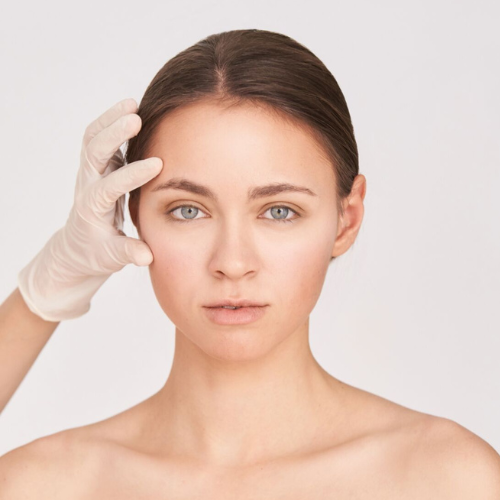
Have a skin lesion safely evaluated, monitored, or removed.
Throughout life, it is common to develop various skin lesions, such as moles, cysts, warts, angiomas, xanthelasmas, or other benign growths.
Although most of these lesions are harmless, some may be cosmetically unsightly, become uncomfortable, or require medical evaluation to rule out any dermatological risks.
At myclinic, our doctors and dermatologists provide an accurate diagnosis in order to offer the most appropriate treatment.
The most common concerns
Unsightly mole
A mole that changes in appearance
Subcutaneous cyst
Wart
Ruby angioma
Xanthelasma
Skin fibroma
Skin growth
Skin lesion to be monitored
Aesthetic or functional discomfort
The proposed solutions
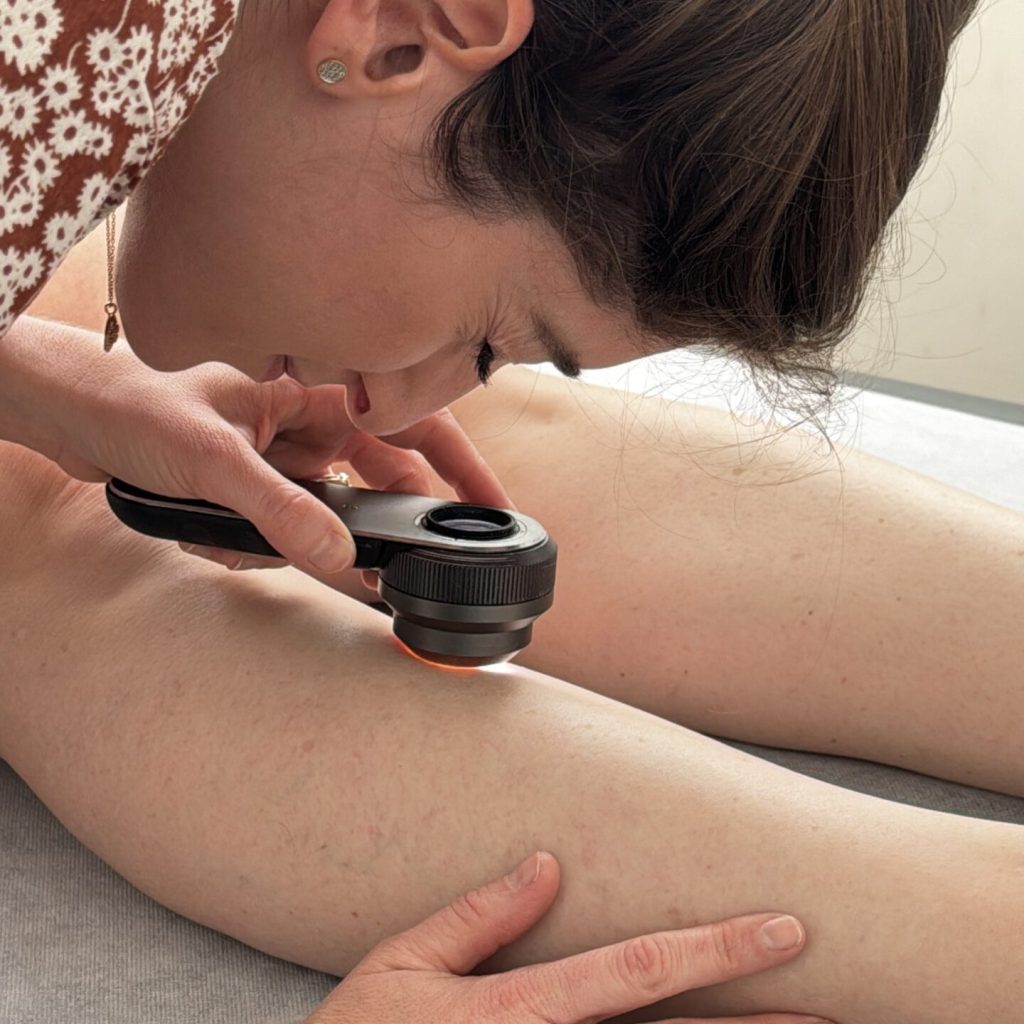
Dermatology Consultation
Any skin lesion should be examined by a doctor to confirm the diagnosis and determine whether treatment or monitoring is necessary.
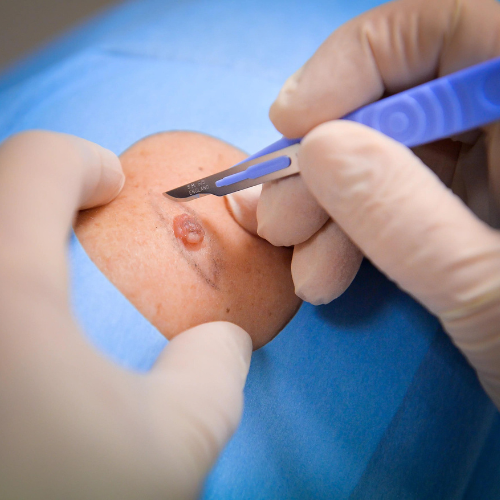
Surgical removal
Some lesions can be removed under local anesthesia during a procedure performed by our plastic surgeon or dermatologist.
This technique allows for complete removal of the lesion while consistently prioritizing aesthetic results.
Pathological analysis
If necessary, the removed lesion can be sent to a laboratory to confirm its nature and ensure an accurate diagnosis.
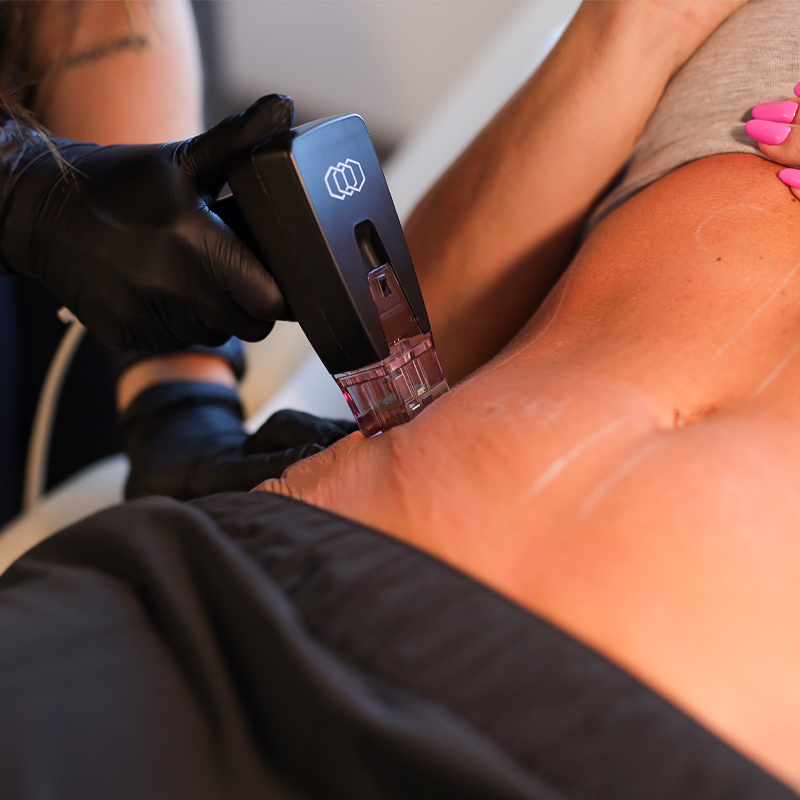
Diathermy
Diathermy is used to treat certain small skin lesions, angiomas, or benign growths through targeted coagulation.
Cryotherapy (liquid nitrogen)
Liquid nitrogen is commonly used to treat certain warts and benign skin lesions quickly and effectively.
A personalized assessment
Every skin lesion is different and requires a proper medical evaluation.
During your consultation, our doctors will examine your skin, make an accurate diagnosis, and explain the various treatment options available to you.
Our goal is to provide you with safe, effective care tailored to your needs, while striving for the best possible aesthetic results. ✨
SKIN TUMORS
Cutaneous tumors are growth abnormalities that form on the skin. They can be benign (non-cancerous) or malignant (cancerous). Here are some common types of skin tumors:
Melanoma: This is an aggressive form of skin cancer that develops from pigment cells called melanocytes. Melanoma can appear as a new spot or lesion on existing skin, and may be associated with changes in color, size, shape or texture.
Basal cell carcinoma (BCC): This is the most common type of skin cancer. It develops from the basal cells of the epidermis and usually presents as a small, pearly bump, a reddish patch or a non-healing sore.
Squamous cell carcinoma: This type of skin cancer forms from the squamous cells of the epidermis. It may appear as a rough bump, sore or crust on sun-exposed skin.
Keratoacanthoma: This is a benign skin tumor that sometimes resembles squamous cell carcinoma. It develops rapidly and may resemble a red pimple or bump with a hollow center.
Naevi (moles): Naevi are benign skin tumors that form from pigment cells in the skin. They can be flat or raised, brown, black or pinkish in color.
Soft fibromas (acrocordons): These are small, benign skin growths that usually form on the neck, armpits, eyelids or skin folds. They are generally harmless, but can be removed for aesthetic or comfort reasons.
It's important to regularly monitor the skin for any new tumors, changes in existing tumors or abnormal signs. Suspicious skin tumors should be evaluated by a dermatologist for an accurate diagnosis and appropriate treatment plan. Early detection of malignant skin tumors can be crucial for effective treatment and positive outcomes.
A surgical scar or aftereffect refers to a mark or change in the skin that remains after surgery. Scars can vary in appearance, size and texture depending on factors such as the surgical technique used, the healing capacity of each individual's skin and post-operative care.
Here are some common types of scars or surgery after-effects:
Normal surgical scar: After surgery, a normal scar usually forms at the incision site. It may be thin, flat and close in color to the surrounding skin. Over time, the scar may fade and become less visible.
Hypertrophic scarring: Hypertrophic scarring occurs when the scar is thicker, firmer and more visible than normal. It may be red or pink and may persist for months or even years after surgery. Hypertrophic scars can sometimes cause itching or discomfort.
Keloid scars: Keloid scars are similar to hypertrophic scars, but are distinguished by their excessive growth and extension beyond the boundaries of the original incision area. They may be thick, raised and dark in color. Keloid scars can be more difficult to treat than hypertrophic scars.
Adhesions or fibrosis: After certain surgical procedures, adhesions or fibrosis may form. These are scar tissues that connect internal structures and can sometimes cause restricted movement or pain.
Aesthetic sequelae: In addition to visible scars, some surgical procedures can leave aesthetic sequelae such as asymmetries, slight deformities, changes in skin texture or color.
OUR SOLUTIONS FOR SURGICAL SCARS AND AFTER-EFFECTS